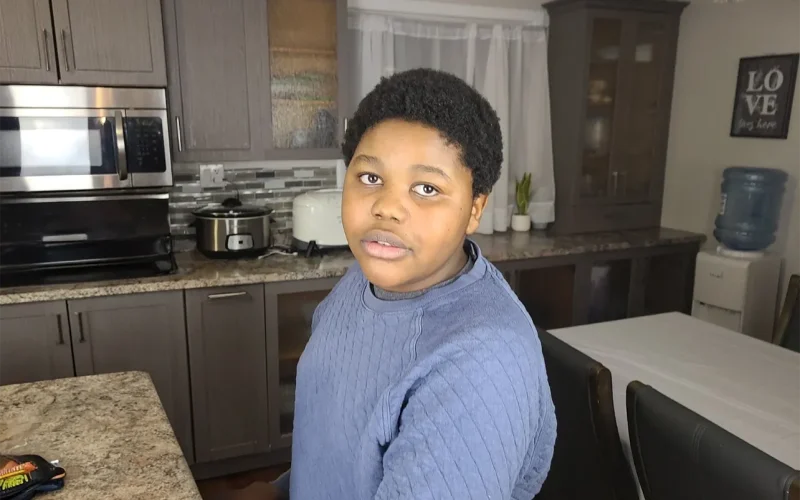
THE morning of February 10, 2026, began like any other in the Mwansa household. Twelve-year-old Abel picked up his backpack at 8:20 a.m., reminded his mother to tell his father about the evening youth meeting at church, and headed to Tumbler Ridge Secondary School in northeastern British Columbia – a boy who loved the Lord, loved learning, and loved life.
He would never return home.
By day’s end, Abel lay among nine victims of one of the worst mass school shootings in Canadian history, his dreams of a bright future extinguished by a killer’s bullets in a crime that has left a Zambian family – and two nations – reeling with grief.
The raw, visceral pain in those words – written by a father struggling to comprehend the incomprehensible – captures the devastating human cost of gun violence in schools. This was not supposed to happen. Not in Canada. Not to a child who cried at the mere suggestion of homeschooling because he loved being at school so much.
Abel Mwansa described his son as a child raised with purpose and values, to respect elders, work hard, focus on studies, and “put a smile on the face like I do.” The boy was everything a parent could hope for: faithful, diligent, joyful.
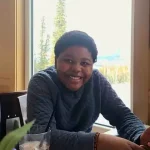
Just weeks before the tragedy, father and son shared dinner at a restaurant, a moment the elder Mwansa now treasures with aching intensity. He posted a video of that evening, a bittersweet reminder of a bond that death has severed but cannot erase.
“My son, I treasured the moment I spent with you; you were a great son, still remains a great one to me…This cut is the deepest,” he wrote, his words echoing the agony of parents worldwide who have lost children to senseless violence.
The boy’s mother, Bwalya Chisanga, expressed her own shattering grief: “I can’t handle this pain (it) is too much. Am I dreaming?” She imagined a friend still coming to pick her son up for school, the cruel way the mind refuses to accept what the heart cannot bear.
The Horror Unfolds
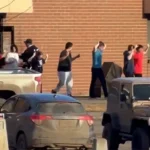
The massacre at Tumbler Ridge Secondary School on that Tuesday evening left eight people dead at the scene and at least 27 injured, two critically. Police identified 18-year-old Jesse Van Rootselaar as the shooter, who was later found dead inside the school from a self-inflicted injury.
Six victims – one adult female educator and five students – were discovered inside the school. One was found in a stairwell, others in the library where children should have been reading about the world, not dying in it. Among them was 12-year-old Kylie May Smith, another young life cut tragically short.
Van Rootselaar’s own mother and brother were found dead in their nearby home. Police recovered two firearms from the school – a long gun and a modified handgun – instruments of death that shattered the peace of a small northeastern British Columbia community.
RCMP Deputy Commissioner Dwayne McDonald revealed that police had attended the Van Rootselaar family home multiple times over several years regarding the shooter’s mental health. Van Rootselaar, born male and transitioning to female over the past six years, had dropped out of school four years earlier and was not attending Tumbler Ridge Secondary at the time of the attack.
For the Zambian community, both in Canada and back home, Abel’s death represents more than statistics on gun violence. It is the loss of a son who embodied the immigrant dream – a child thriving in a new land, excelling in school, active in his church, respectful and hardworking.
Abel Mwansa’s words carry the weight of a father’s deepest nightmare: “Not knowing that my son will be shot like a stray dog murdered in cold blood.”
The phrase “like a stray dog” speaks to the dehumanising randomness of the violence, the senselessness that transforms a routine school day into a massacre. This was a child who loved God enough to plan his evening around youth meetings. A child who loved school so much he cried at the thought of leaving it. A child who was simply trying to learn, to grow, to become.
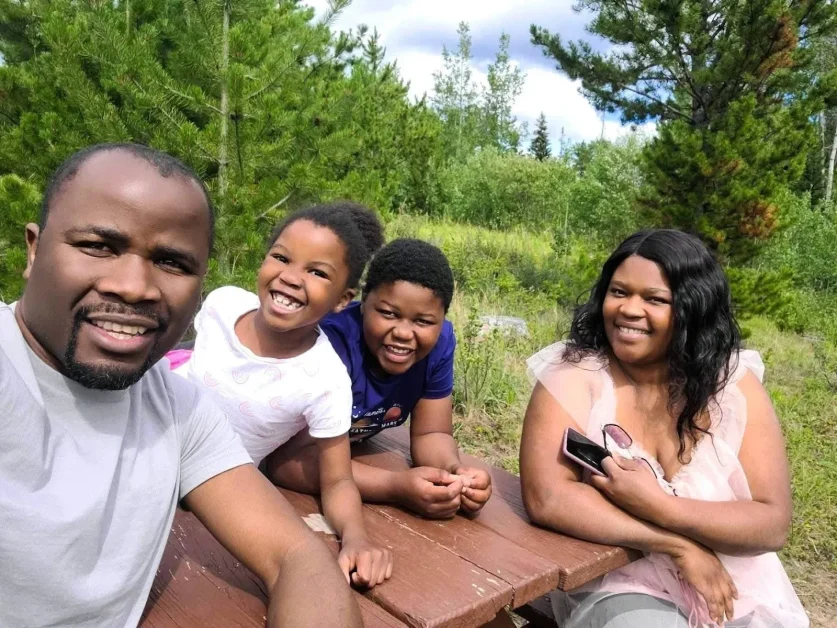
The outpouring of support on social media has been overwhelming. “This is heartbreaking…Especially after celebrating his sister’s birthday a matter of days ago…My deepest condolences,” wrote one commenter, noting the cruel proximity of joy and tragedy.
“I’m deeply hurt. I can imagine how downhearted you are,” offered another.
“It’s a bitter pill to swallow. My heart arches. My heartfelt condolences.”
These messages, flooding in from around the world, cannot resurrect young Abel. They cannot erase the image of a father going to pick up his son from church, only to learn he was already dead. They cannot restore the 12 years and 11 months the Mwansa family had with their beloved boy.
But they speak to something profound: the recognition that this loss transcends borders, transcends nationality, transcends everything except the universal bond between parent and child.
Questions Without Answers
As Abel Mwansa wrote with heartbreaking clarity: God didn’t take his son, “but death did.” It’s a father’s way of wrestling with theology and tragedy, trying to make sense of a world where children go to school and never come home.
The Tumbler Ridge massacre raises familiar, agonising questions about school safety, gun access, mental health support, and the warning signs that precede such violence. But for the Mwansa family, such policy debates feel distant against the immediate, crushing reality of an empty chair at the dinner table, a bedroom that will never again echo with a child’s laughter.
Young Abel Mwansa crossed an ocean to build a future in Canada. He embraced his adopted country’s opportunities while maintaining strong ties to his faith and family values. He was exactly the kind of citizen any nation would be proud to claim.
Instead, Canada must now claim responsibility for failing to protect him.
As communities in both Zambia and Canada mourn, one truth remains inescapable: a 12-year-old boy who loved school, loved God, and loved life is gone. His father’s pain cuts deeper than words can express. And somewhere in Tumbler Ridge, British Columbia, nine families are learning to live with a grief that will never fully heal.
The deepest cut indeed.