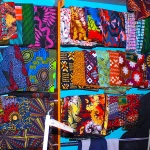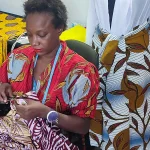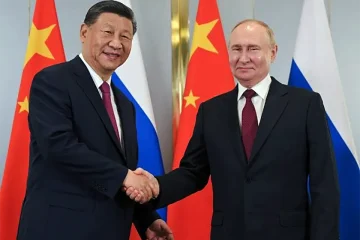
FASHION is one of the most honest forms of diplomacy we have. Fabric tells you who we are, where we come from, and what we value. When I reflect on the textiles of India and Sri Lanka, I don’t see two separate stories – I see a shared language of the Global South, one that is increasingly relevant in platforms such as the BRICS Fashion Summit, Colombo Fashion Week, and Soweto Fashion Week.
India: Textile power as cultural authority
India’s textile legacy positions it naturally as a leader within the BRICS fashion conversation. Its fabrics are not only culturally rich; they are structurally influential in the global fashion economy. Cotton, silk, khadi, ikat, and bandhani – these are not niche crafts; they are systems that employ millions and sustain entire regions.
Indian textiles carry both heritage and geopolitical weight. Brocades and silks demonstrate how luxury can be rooted in tradition rather than excess.
Within the BRICS Fashion Summit, India’s textile ecosystem represents what is possible when cultural preservation and industrial scale coexist. It sets a precedent for other Global South nations: we do not need to abandon identity to achieve global relevance.
Sri Lanka: Artistry, ethics, and modern relevance
Sri Lanka brings a different but equally vital perspective to the table – one that aligns beautifully with contemporary fashion values. Handloom cotton, batik, linen, and silk form the backbone of a textile culture that is climate-responsive and deeply artistic.
Batik, in particular, stands out as a fabric language of freedom. It’s expressive, painterly, and unapologetically human. In many ways, Sri Lankan batik mirrors the direction global fashion is moving – toward individuality, storytelling, and authenticity.
Colombo Fashion Week has played a crucial role in elevating this narrative. It has positioned Sri Lanka not only as a production hub but also as a creative voice – one that champions ethical manufacturing, responsible sourcing, and design integrity. This is precisely the kind of leadership the BRICS fashion ecosystem needs.
Africa’s voice: Soweto Fashion Week as cultural catalyst
And then there is Africa – specifically Soweto Fashion Week, which I see as one of the most important fashion platforms on the continent. Soweto Fashion Week is not just about garments; it’s about reclaiming narrative, redefining luxury, and asserting African creativity on its own terms.
Much like India and Sri Lanka, African fashion is deeply textile-driven. From handwoven fabrics to symbolic prints, African textiles carry history, identity, and community memory. Soweto Fashion Week creates a space where these stories are not diluted for global consumption but amplified for global respect.
In the context of BRICS, Soweto Fashion Week becomes a bridge connecting Africa’s heritage-driven fashion economy with Asia’s textile mastery. It’s where collaboration replaces competition, and where shared issues – such as sustainability, artisan protection, and market access – can be addressed collectively.
BRICS Fashion Summit: New axis of influence
What excites me most about the BRICS Fashion Summit is its potential to redefine the global fashion hierarchy. For too long, fashion authority has been concentrated in a few Western capitals. BRICS offers an alternative – one rooted in production, culture, and lived experience.
India contributes scale and historical depth.
Sri Lanka contributes ethical innovation and artistry.
South Africa contributes cultural power and narrative leadership.
Together, these regions form a fashion axis that is not trend-driven but values-driven.
This story was first published here: https://tvbrics.com