SOUTH Africa’s latest wave of anti-immigrant anger is no longer just a domestic crisis. It is fast becoming a continental fault line, as economic pain, political opportunism, and online misinformation fuse into a volatile threat to African unity.
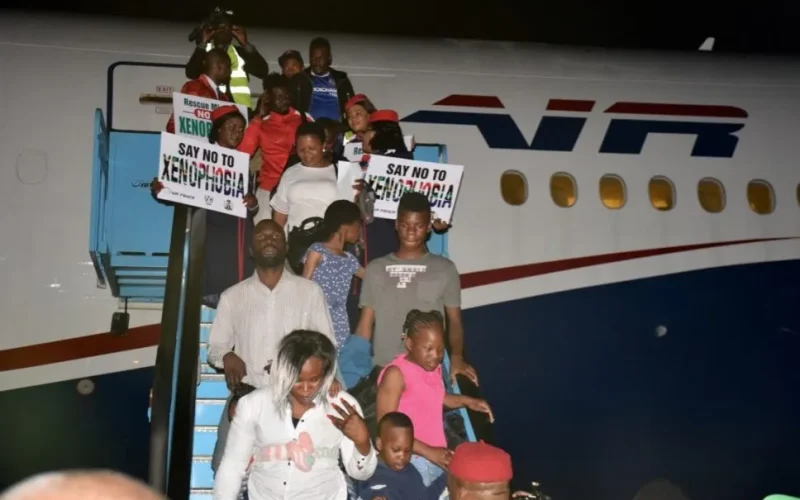
On Sunday, 130 Nigerian citizens signed up for government-assisted flights out of South Africa, the first group to register under a new voluntary repatriation scheme ordered by President Bola Tinubu after anti-foreigner protests swept Pretoria and Johannesburg last week. Nigeria’s Foreign Minister, Bianca Odumegwu-Ojukwu, confirmed the move and warned that more could follow as fresh protests are expected today, May 4, and again on May 8. Abuja has already summoned South Africa’s Acting High Commissioner, a sharp diplomatic gesture that in African politics usually signals that relations are deteriorating, not stabilising.
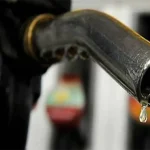
Protesters in South Africa insist they are responding to a collapsing economy, accusing undocumented migrants of stealing jobs, abusing public services, and driving crime. Researchers and rights advocates say those claims are not backed by evidence, but the economic backdrop is undeniable and darkening: official unemployment is above 30 percent, public services are buckling, and now fuel prices are surging to record highs. From Wednesday, 95-octane petrol climbs about 14 percent to R26.63 a litre in Gauteng, the highest level since July 2022, while wholesale diesel breaches R30 a litre for the first time, increases the government blames on soaring global oil prices and a weakening rand.
Those shocks are being driven by a conflict far from Johannesburg’s townships. The US-Israel war on Iran, which escalated sharply on 28 February with the effective closure of the Strait of Hormuz, has pushed crude above US$100 a barrel and choked off a route that normally carries about a fifth of the world’s daily oil supply. The IMF has already trimmed its 2026 growth forecast for Sub-Saharan Africa from 4.5 percent to 4.3 percent, projecting median inflation will jump from 3.4 percent last year to 5 percent as fuel costs ripple through fragile economies.
For many African states that import, rather than produce, oil, there is little room to absorb the blow. Ethiopia has rushed through emergency fuel subsidies, while Kenya is leaning on foreign-exchange reserves and stronger mineral revenues from the Democratic Republic of Congo to buy time. But most governments on the continent lack the fiscal buffers to cushion such shocks, especially with large, restless youth populations and elections looming. In that pressure cooker, migrants — often the most visible outsiders in poor communities — become convenient targets.
South Africa’s response has been to harden its stance. A revised White Paper on Citizenship, Immigration and Refugee Protection, published in December, recasts immigration as both an economic opportunity and a security threat, a framing critics say is being used to justify tougher enforcement while offering few realistic tools to manage migration humanely. The Department of Employment and Labour is drafting quotas for foreign workers and ring-fencing certain sectors for citizens only, moves that may play well with voters but risk deepening regional tensions.
As the politics sharpen, so does the diplomatic fallout. Ghana summoned South Africa’s envoy in Accra over what it called “xenophobic incidents” against its nationals, including a documented case in which a legal resident was publicly told to leave and “fix his country”. Nigeria followed with its own protest after two of its citizens died in separate incidents involving South African security forces: Amaramiro Emmanuel, who succumbed to injuries after an encounter with defence force personnel on 20 April, and Ekpenyong Andrew, found dead at Pretoria Central Mortuary after being arrested.
Kenya has now joined the chorus of alarm. In a public security advisory posted by its High Commission in Pretoria, Nairobi warned Kenyan nationals to avoid planned anti-immigrant demonstrations and to stay away from identified protest hotspots as tensions rise. The mission urged Kenyans to report threats or attacks immediately, aligning Kenya with Nigeria and Ghana in openly questioning whether South Africa can guarantee the safety of African migrants on its soil.
Layered onto this combustible mix is a relentless misinformation campaign on social media. In the weeks leading up to the latest protests, false and decontextualised videos purporting to show foreign nationals committing crimes spread rapidly on WhatsApp, Facebook, and X, amplified by anti-immigrant groups such as Operation Dudula and echoed by sympathetic political formations. Fact-checkers have shown some of the most inflammatory clips were either from other countries or heavily edited, but corrections travel slower than outrage.
Not all political voices are fanning the flames. At a rally last week, Economic Freedom Fighters leader Julius Malema publicly challenged the economic logic of xenophobia, asking protesters how many jobs they had created by beating up Zimbabweans and shutting Nigerian-owned shops. His remarks drew both applause and anger, highlighting how deeply contested — and how politically potent — the migrant question has become.
The broader context is a bitter irony. A continent that invested blood and treasure to end apartheid, and that now officially backs free movement through the African Continental Free Trade Area, is watching Black Africans hound other Black Africans from their homes and businesses. For the 130 Nigerians preparing to board flights out of South Africa, these debates are no longer abstract: they are leaving not because they failed, diplomats and analysts say, but because the continent that claimed to need their skills has failed to protect them.