THEY conjured nearly 800 workers out of thin air – month after month, for six consecutive months during South Africa’s most devastating public health crisis – and funnelled millions in pandemic relief into luxury cars, prime properties, and a lifestyle built entirely on stolen money.
Now the law has caught up with them.
In one of the most brazen COVID-19 relief fraud cases to emerge from South Africa’s pandemic era, a husband and wife and their accomplice appeared in the Middelburg Magistrate’s Court on Monday, while in the Free State, a businessman was convicted and ordered to repay funds he had stolen from desperate workers who never saw a cent of their entitled relief.
Together, the two cases represent more than R27 million in public funds siphoned from the Unemployment Insurance Fund’s Temporary Employer/Employee Relief Scheme (UIF-TERS) — money that was meant to keep ordinary South African workers afloat when the pandemic shuttered the economy and plunged millions into destitution.
The Msiska Operation: A Ghost Army of the Pandemic Poor
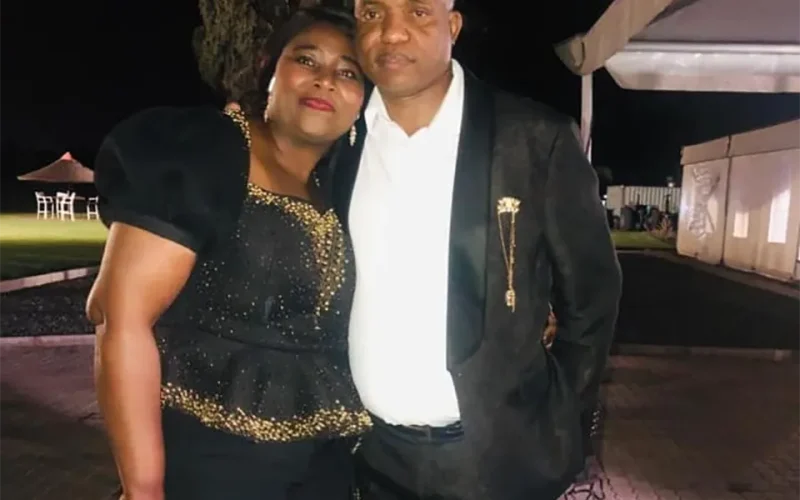
The scale of the fraud attributed to Fumu Mkalira Msiska (48), his wife Gladness Mkhonto Msiska (48), and her brother Bongani Zoran Mkhonto (39) is staggering in its audacity and its cold indifference to human suffering.
According to the Special Investigating Unit (SIU), the trio fabricated a ghost workforce and submitted fraudulent UIF-TERS claims month after month between April and September 2020 – the very months when millions of real South Africans were standing in food queues, losing their homes, and watching their livelihoods evaporate.
The numbers tell the story in damning detail:
- April 2020: 724 ghost employees claimed
- May 2020: 587 ghost employees claimed
- June 2020: 743 ghost employees claimed
- July 2020: 763 ghost employees claimed
- August 2020: 767 ghost employees claimed
- September 2020: 773 ghost employees claimed
By the time the scheme ran its course, the accused had extracted R26,943,793.19 from the state – money routed through a company called A and F Consulting, and then allegedly transferred to Khulani Quality Contribution, a company linked to Gladness Msiska. Bongani Mkhonto, the brother-in-law, allegedly served as the operation’s foot soldier — sourcing identity particulars to populate the ghost employee lists.
Those identity particulars, the SIU investigation revealed, came from real and unsuspecting people – victims of scams promising special grants or free driving licences, or whose personal details were allegedly stolen directly from a local Sheriff’s office.
The human cost of identity theft in a fraud scheme of this nature is rarely abstract. In 2022, a KwaZulu-Natal woman filed a complaint with the Hawks after discovering she could not claim her maternity benefit from the UIF – because a company called Consulting Engineers had already claimed UIF-TERS benefit in her name. Her stolen identity had rendered her invisible to the very fund her taxes had helped build. The Hawks referred the matter to their Mpumalanga counterparts, who brought in the SIU, whose existing proclamation covering such malfeasance made them the natural investigative authority.
The Assets: A Lavish Life on Stolen Money
What does nearly R27 million in pandemic relief money buy when you have no intention of sharing it with a single actual worker?
The answer, as the High Court of South Africa’s Mpumalanga Division has now frozen in legal amber, includes:
- A 2019 Land Rover Range Rover L560
- A 2019 Mercedes-Benz V250 D
- A 2015 BMW X6
- A 2011 Toyota Fortuner
- A 2005 Mercedes-Benz C180 Kompressor
- A 2010 Caterpillar backhoe loader
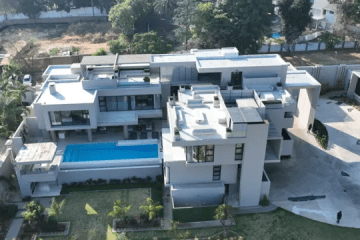
- Three properties in Pretoria, Middelburg, and White River
- Household goods, office equipment, and multiple bank accounts
The High Court issued a preservation order against all these assets, suspected to be the proceeds of crime, pending forfeiture proceedings. The NPA’s Asset Forfeiture Unit, working alongside the SIU and the Hawks, ensured that the machinery of wealth assembled through fraud was immobilised before it could be dissipated or hidden.
Fumu and Gladness Msiska were granted bail of R300,000 each. Mkhonto, whose alleged role was more operational than financial, was granted bail of R3,000.
The case continues.