
THE exchange began with the kind of language rarely directed at a member state by a United Nations agency head – raw, personal, and historically charged.
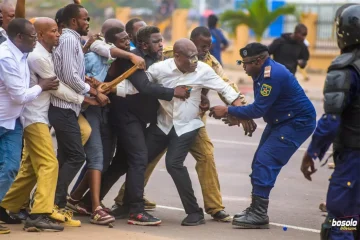
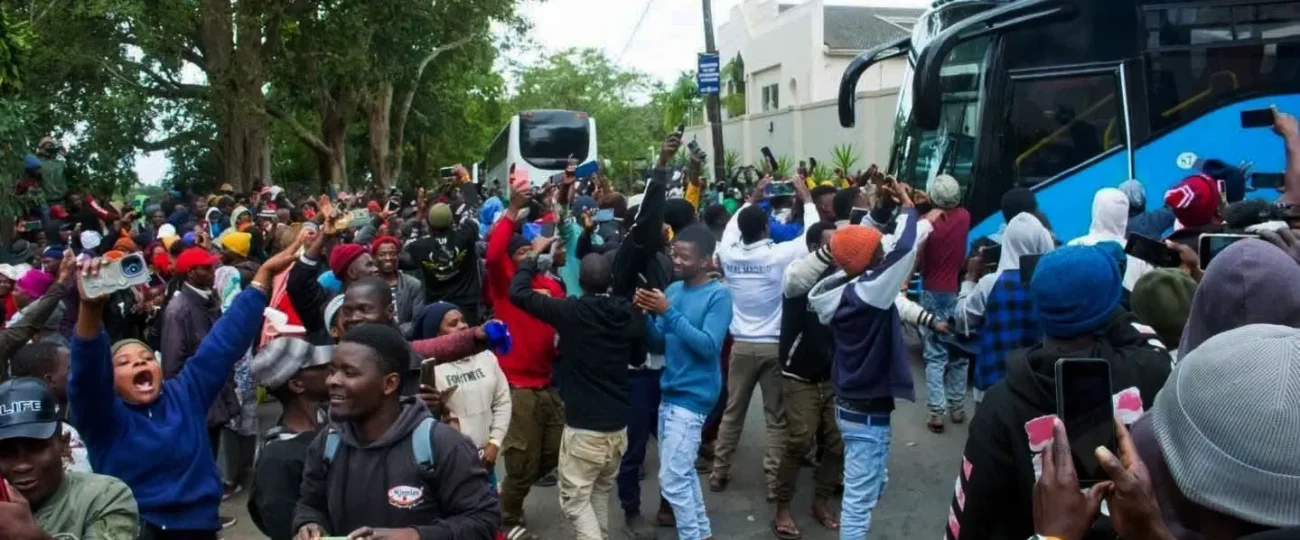
Dr Tedros Adhanom Ghebreyesus, Director-General of the World Health Organisation, broke from the measured diplomatic register of multilateral institutions to deliver a searing public indictment of South Africa on his official social media platform, as anti-immigration protests convulsed the country and hundreds marched on Parliament.
“It is profoundly heartbreaking to witness another surge of xenophobic violence in South Africa this week,” Tedros wrote. “Hundreds have marched on Parliament, thousands of families have been displaced, and lives have been tragically cut short.”
He named names. He cited numbers. At least five Ethiopians were killed in earlier attacks. Five Mozambicans are dead in Mossel Bay. Thousands more, he said, are now fleeing for their lives.
Then came the historical needle — the kind that draws blood in African diplomatic circles.
“To see South Africa turn to xenophobia is a tragic betrayal of the country’s struggle for independence and freedom,” Tedros wrote. “African nations stood united to dismantle apartheid. Ethiopia proudly supported Madiba, Nelson Mandela, in 1962 and issued him a passport so he could travel the continent.”
The implication was unmistakable: South Africa, nurtured through its darkest decades by the solidarity of the African continent, was now turning on that same continent’s people. Tedros closed with a moral imperative: “Stop the hate. Protect the vulnerable. Uphold our shared humanity.”
It was a statement designed to sting. In Pretoria, it landed exactly as intended.
South Africa’s response came swiftly, and with its own calibrated force.
The Presidency, in an official media statement issued the same day, offered condolences — then went on the offensive.
“The WHO’s characterisation of the deaths of the Ethiopian nationals is, unfortunately, incorrect,” the statement read, invoking the kind of formal diplomatic language that, in the context of a UN agency director’s very public post, carries unmistakable weight.
The Presidency’s position: the deaths of the Ethiopian nationals were not the product of xenophobic mob violence, but of organised crime – “as has already been publicly reported, and are being actively investigated by law enforcement agencies.” The Mozambican deaths, similarly, were said to be under active SAPS investigation.
The rebuke of the WHO chief was pointed. Pretoria was not merely correcting the record – it was accusing the head of a major UN agency of inflaming an already volatile domestic situation with what it characterised as factually wrong information, at the worst possible moment.
“The Presidency deeply regrets the tragic loss of life,” the statement acknowledged, before pivoting: “The Department of International Relations and Cooperation will engage the World Health Organization to ensure that the information before them is both accurate and reliable.”
Translation: You got it wrong. And we will tell you so formally.
On the question of who has the authority to act against undocumented migrants – a key flashpoint in the protests – the Presidency was unequivocal. President Cyril Ramaphosa and the Inter-Ministerial Committee on Migration have been clear, it said: “Only duly authorised law enforcement officials have the mandate to enforce the law.” Vigilantism, in other words, is not policy. But nor, the statement implied, should unverified international commentary substitute for fact.
A COLLISION OF SOLIDARITY AND SOVEREIGNTY
What makes this exchange so combustible is the layered history it detonates.
Ghebreyesus is not wrong that Ethiopia stood with the ANC during the liberation struggle. The 1962 passport Mandela was issued in Addis Ababa – under the name David Motsamayi – is a matter of historical record, enabling a journey across the continent that helped build international solidarity for the anti-apartheid cause. That history confers on the Ethiopian-born WHO chief a particular moral authority when speaking about South Africa’s treatment of African nationals.
But the Presidency’s rebuttal strikes at something equally important in the architecture of international relations: the principle that public condemnation by a multilateral institution must be grounded in verified fact. If the Ethiopian deaths were, as South African authorities insist, the product of criminal enterprise rather than xenophobic mob violence, then Ghebreyesus characterised them incorrectly – and did so at a moment when such characterisations carry real consequences for already stretched community tensions.
Both positions can simultaneously carry truth. Organised crime and xenophobic violence are not mutually exclusive in South Africa’s complex social geography. The conditions that make African nationals vulnerable – their precarious legal status, their economic marginalisation, their distance from institutional protection – are precisely the conditions that both criminal networks and angry mobs exploit.
What neither side can afford is for this exchange to calcify into a bilateral standoff that drowns out the voices of the dead, the displaced, and the frightened – Ethiopian, Mozambican, South African – who are living the consequences of a crisis that diplomatic language, however charged, cannot adequately contain.