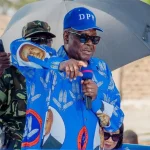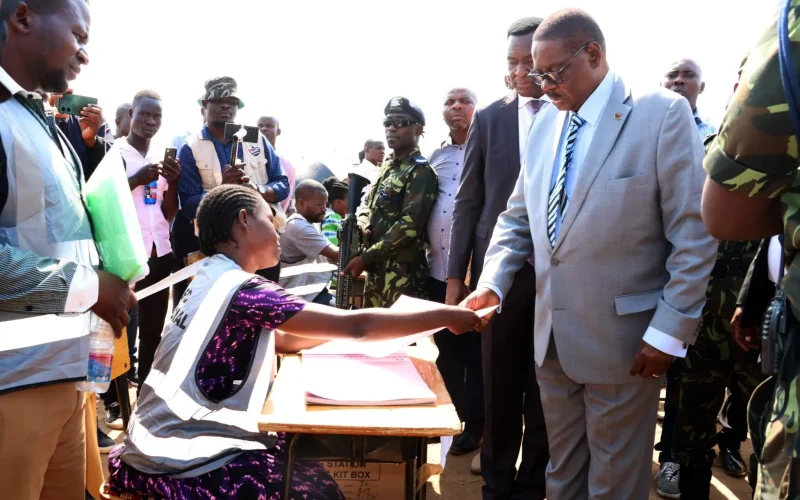
IN a stunning political comeback that has electrified southern Africa, 85-year-old former President Peter Mutharika has seized a commanding lead in Malawi’s fiercely contested 2025 presidential election, capturing 51.10% of the vote and narrowly avoiding a runoff that could have plunged the nation into weeks of uncertainty.
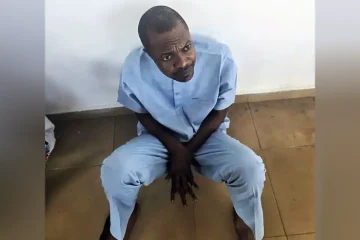
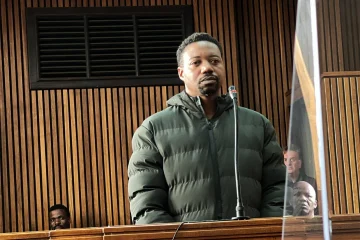
But victory celebrations have been overshadowed by a dramatic crackdown on electoral fraud that has rocked the country’s democratic foundations. Police have arrested eight suspects — primarily data entry clerks working within the electoral system — for allegedly manipulating vote tallies in what authorities describe as a brazen attempt to rig the election outcome.
The arrests have sent shockwaves through a nation still haunted by the 2019 electoral debacle, when widespread vote tampering forced the annulment of that year’s presidential race and triggered months of political chaos.
Shadow of 2019 Looms Large
Incumbent President Lazarus Chakwera, whose Malawi Congress Party (MCP) swept to power after that historic re-run election, now finds himself trailing badly with just 38.56% of the vote. His party has lodged formal complaints alleging irregularities in 13 of the country’s 28 districts, demanding physical audits of vote counts they claim have been systematically manipulated.
The echoes of 2019 are unmistakable. Six years ago, Mutharika’s initial victory was overturned after courts found evidence of widespread tampering using correction fluid to alter ballot papers — a scandal that became a symbol of electoral corruption across Africa.
Now, as election officials work methodically to verify results amid mounting pressure, the spectre of vote rigging has returned with a vengeance.
Fraud Investigation Widens
The fraud allegations extend far beyond the eight arrests. Opposition parties report that election monitors were prematurely removed from crucial tallying centres, potentially enabling the falsification of results. In a disturbing incident that underscores the intense pressure surrounding the count, one election officer reportedly attempted suicide amid allegations of bribery and manipulation.
Adding to the chaos, major broadcasters abruptly halted their live election dashboards, raising serious questions about transparency during the critical tabulation phase.
The United Democratic Front (UDF), led by candidate Atupele Muluzi, has joined the MCP in filing formal complaints with the Malawi Electoral Commission (MEC), alleging systematic vote rigging in their traditional strongholds.
Nation Holds Its Breath
As tensions escalate, the MEC has called for calm while promising thorough verification of all results. The commission faces the herculean task of announcing final results by Wednesday, September 24 — the legal deadline — while conducting the meticulous audits demanded by opposition parties.
Several minor candidates have already conceded defeat, with hopefuls including Phunziro Mvula and Smart Swira urging their supporters to respect the electoral process and avoid the violence that scarred previous elections.
But with Mutharika’s Democratic Progressive Party (DPP) claiming victory and opposition parties crying foul, Malawi stands on a knife-edge. The country’s hard-won democratic gains since 2019 now hang in the balance as authorities race to restore faith in an electoral system once again under siege.
Democracy Under Fire
The stakes could not be higher for a nation that became a beacon of democratic resilience when its courts boldly overturned a fraudulent election six years ago. International observers from the Southern African Development Community (SADC) and the African Union are watching closely, aware that Malawi’s electoral crisis could reverberate across a region where democracy faces mounting challenges.
For now, the arrests of those allegedly involved in vote tampering send a powerful message: Malawi’s authorities are determined not to repeat the mistakes of 2019. But with official results still pending and opposition parties mobilising legal challenges, the country’s democratic experiment faces its sternest test yet.
As one Lilongwe resident put it: “We thought 2019 taught us that every vote must count fairly. Now we must prove it again.”
The next 48 hours will determine whether Malawi’s democracy emerges stronger from this crucible — or whether the ghosts of electoral fraud will once again haunt this proud nation’s political future.