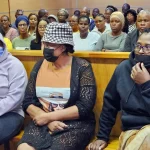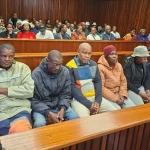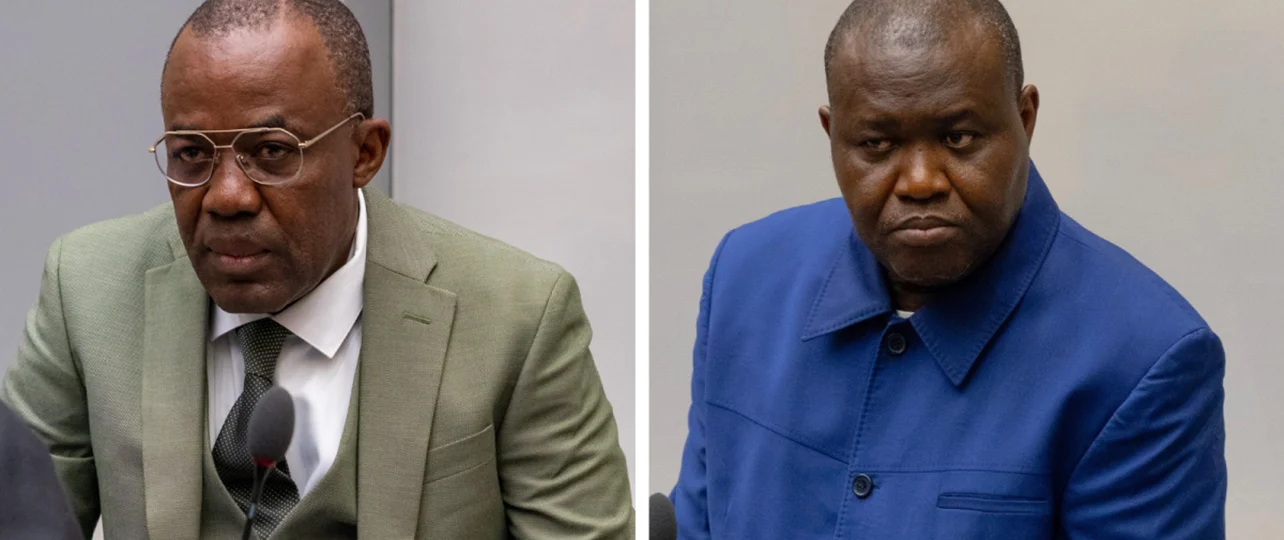

THE International Criminal Court has delivered a landmark judgment, convicting two senior Anti-Balaka commanders for orchestrating systematic attacks against Muslim civilians in the Central African Republic between December 2013 and December 2014.
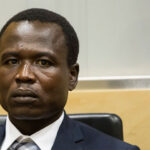
Alfred Yekatom, a former zone commander, was sentenced to 15 years imprisonment, while Patrice-Edouard Ngaïssona, the group’s National General Coordinator, received 12 years. Trial Chamber V found both men guilty beyond a reasonable doubt of war crimes and crimes against humanity during the Anti-Balaka’s widespread campaign of violence against Muslim populations in western CAR.
The convictions encompass multiple charges, including murder, attacks against civilian populations, forcible transfer of civilians, torture, other inhumane acts, and persecution based on religious grounds.
The prosecution built its case on substantial evidence, presenting 115 witnesses—75 of whom testified before the Trial Chamber—and submitting over 16,000 items of evidence. This included video and audio recordings, photographs, call data records, and documents from NGOs, UN reports, and Anti-Balaka internal communications.
“The crimes attributed to the two are serious in all aspects, causing horrific and indelible consequences for the civilian population,” said Deputy Prosecutor Mame Mandiaye Niang. “This conviction is a strong message from the ICC that those responsible for atrocity crimes under the Rome Statute will be brought to justice.”
The judgment represents a crucial milestone in delivering justice to victims of anti-Muslim violence during one of CAR’s most turbulent periods. The court’s decision emphasises the fundamental principle of distinction between civilians and combatants in armed conflict—a cornerstone of international humanitarian law.
Deputy Prosecutor Niang described the ruling as “a vital recognition of the extensive harm and suffering of the victims and the affected communities of the Central African Republic, and a testament to the courage and resilience of men and women who contributed to manifesting the truth through their testimonies.”
The Anti-Balaka militia emerged during CAR’s sectarian conflict, conducting systematic attacks against Muslim civilians in response to earlier violence by the predominantly Muslim Séléka rebel coalition. The ICC’s investigation benefited from cooperation with Central African authorities, international organisations, and civil society groups.
The prosecution retains the right to appeal aspects of the sentencing decision and will review the written judgment before determining further action. The Office of the Prosecutor expressed hope that the convictions would bring “a measure of justice and closure to the victims and affected communities” while strengthening the court’s global fight against impunity.