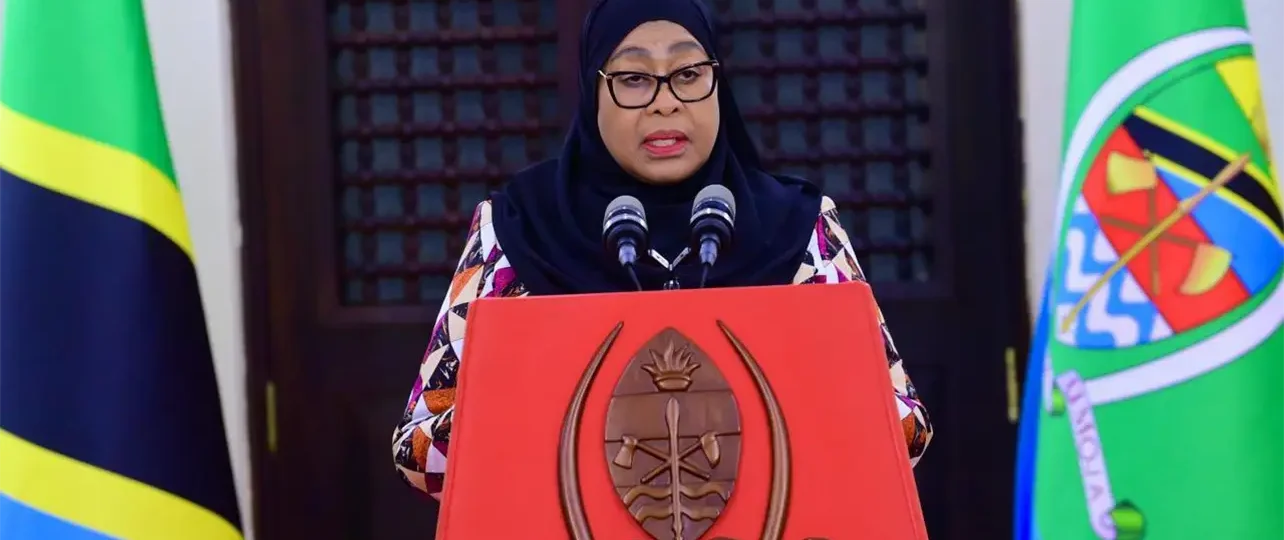

TANZANIA finds itself at the centre of an escalating international crisis as President Samia Suluhu Hassan faces mounting accusations of electoral theft, widespread human rights violations, and what a confidential dossier describes as crimes against humanity that have left thousands dead.
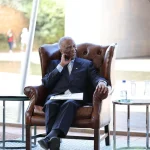
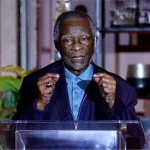
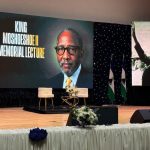
The gravity of the situation became starkly apparent this week when former South African President Thabo Mbeki, speaking through his foundation, declared that Tanzania “currently lacks a legitimate government,” asserting that the administration led by President Hassan “has been imposed upon the people through a combination of force and fraudulent means.”
Mbeki’s intervention carries particular weight given his stature as a regional elder statesman and his foundation’s historical role in African governance issues. His statement invokes the memory of Tanzania’s founding father, Julius Nyerere, a figure Mbeki described as “one of our own leaders” whose legacy is now under threat.
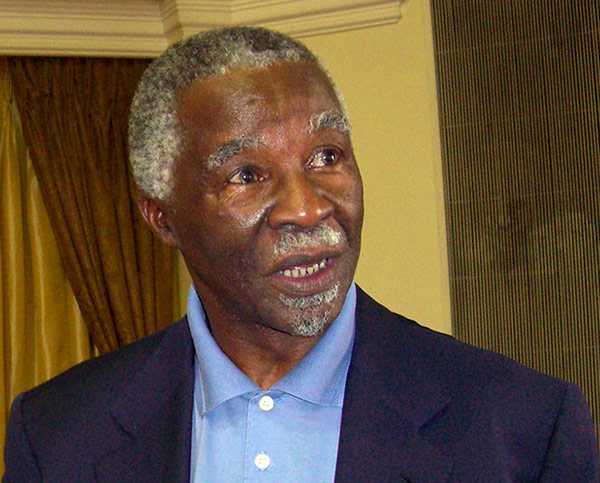
“We remain fiercely protective of his legacy and are deeply concerned by anything that besmirches his memory or casts the country of his birth in a negative light,” Mbeki stated, calling on Tanzanians and the broader African community to confront “the critical questions: What went wrong, and what must be done to put the beloved country back on course?”
ICC Filing Details: Systematic Atrocities
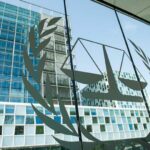
The condemnation comes amid revelations of an 82-page confidential dossier submitted to the International Criminal Court under Article 15(2) of the Rome Statute. The document accuses the Hassan government of orchestrating what it characterises as the deadliest political crackdown in Tanzania’s modern history.
According to the filing, the government stands accused of murder, extermination, torture, enforced disappearances, and deploying a coordinated internet blackout allegedly used to conceal mass killings of civilians who protested disputed election results. The dossier describes these actions as “widespread and systematic crimes against humanity” constituting a “state-engineered attack on civilians.”
The submission represents an extraordinary escalation, directly naming a sitting president in one of the most serious international legal challenges Tanzania has ever confronted. Unlike many ICC filings that focus on armed groups or lower-level officials, this document explicitly and repeatedly identifies President Hassan, potentially exposing her to personal criminal liability under international law.
If the ICC Prosecutor decides to open a formal investigation, Tanzania would join a select group of countries facing the court’s scrutiny for crimes against humanity, with diplomatic, political, and legal ramifications extending far beyond its borders.
Regional Isolation Deepens
Mbeki’s statement follows a pattern of regional rejection. Former Botswana President Ian Khama and current President Duma Boko have both stated they do not recognise Hassan’s presidency, marking a rare public repudiation of a sitting African head of state by neighbouring leaders.
The Southern African Development Community (SADC), typically reluctant to directly challenge member states’ electoral processes, stopped short of recognising the election results while expressing significant concerns about the credibility of the vote. The African Union has similarly signalled disquiet, though it has not yet taken formal action.
This regional isolation represents a dramatic shift for Tanzania, historically viewed as a stable democracy and respected member of the East African Community. The country’s descent into authoritarian violence marks a stark departure from the democratic traditions established by Nyerere and maintained, however imperfectly, by subsequent leaders.
The Internet Blackout Strategy
One of the most chilling allegations in the ICC filing concerns the government’s use of telecommunications shutdown as a weapon of mass repression. According to the dossier, authorities orchestrated a coordinated internet blackout specifically designed to prevent documentation of killings and to isolate protesters from the outside world.
This tactic, increasingly common among authoritarian regimes facing popular resistance, transforms digital infrastructure into an instrument of state violence. By cutting communications, the government allegedly created conditions where security forces could operate with impunity, beyond the scrutiny of international observers, human rights organisations, and global media.
The blackout also prevented real-time documentation that might have deterred violence or enabled rapid international response, effectively providing cover for what the filing describes as extermination-level killings.
Historical Context and Nyerere’s Legacy
Mbeki’s invocation of Julius Nyerere is particularly poignant. Nyerere, who led Tanzania from independence in 1961 until 1985, was revered across Africa as a philosopher-president who championed African socialism, self-reliance, and pan-African unity. Though his Ujamaa policies proved economically problematic, Nyerere maintained legitimacy through his personal integrity and voluntary relinquishment of power.
Tanzania’s post-Nyerere trajectory included relatively peaceful transfers of power and incremental democratic progress, making the current crisis all the more shocking to regional observers who viewed Dar es Salaam as a stabilising force in a volatile region.
Hassan, who assumed office in March 2021 following the death of President John Magufuli, initially raised hopes of democratic opening after Magufuli’s increasingly authoritarian tenure. Her apparent embrace of repression to maintain power represents what critics describe as a betrayal of those early promises and a fundamental rupture with Tanzania’s democratic traditions.
International Criminal Court Implications
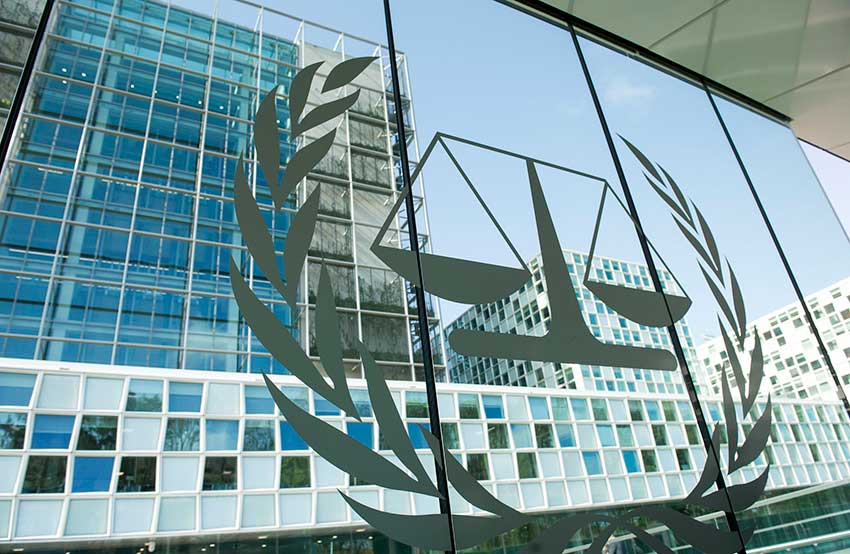
The ICC filing marks a critical juncture. Under Article 15(2) of the Rome Statute, the Prosecutor can initiate investigations proprio motu—on their own authority—based on information received about alleged crimes within the Court’s jurisdiction. The submission of an 82-page dossier with detailed allegations creates significant pressure for action.
However, ICC investigations are lengthy and politically fraught. The Court has faced criticism for perceived bias toward African prosecutions, though Tanzania’s status as a State Party to the Rome Statute means it has voluntarily submitted to ICC jurisdiction.
If the Prosecutor proceeds, preliminary examination could lead to a formal investigation, potentially followed by arrest warrants. This would place enormous diplomatic pressure on Tanzania and could trigger sanctions, asset freezes, and travel bans against senior officials, including potentially the president herself.
The Path Forward
Mbeki’s call for Tanzanians and the international community to address “what went wrong” and “what must be done” reflects a growing consensus that the current situation is unsustainable. The combination of regional rejection, international legal action, and domestic resistance creates multiple pressure points that could force change.
However, the path from crisis to resolution remains unclear. Hassan’s government shows little sign of yielding to pressure, and entrenched authoritarians rarely voluntarily relinquish power, particularly when facing potential prosecution.
The international community faces difficult choices: whether to impose sanctions that might harm ordinary Tanzanians, how aggressively to pursue ICC action, and whether regional organisations like SADC and the African Union will move beyond expressions of concern to concrete action.
For Tanzania’s citizens, caught between state violence and an uncertain political future, the intervention of figures like Mbeki and institutions like the ICC offers hope that their suffering has not gone unnoticed. Whether that attention translates into meaningful change will determine not only Tanzania’s future but also the credibility of African regional institutions and international justice mechanisms designed to protect civilians from state-sponsored atrocities.
As Mbeki pointedly noted, what hangs in the balance is not merely Tanzania’s political future but the legacy of Nyerere and the promise of African self-determination built on democratic foundations rather than violent repression. The eyes of the continent—and the world—are now firmly fixed on Dar es Salaam.